1
Choose colors
Select each parent’s visible eye color, including hazel or gray. Choose Unknown if you are unsure. No photos or account needed.
 FutureBabyLook
A little curiosity. A world of eye colors — including hazel.
Give a color a face. These AI-generated examples show the same imagined girl with brown, green and blue eyes. They illustrate a creative choice; they are not evidence of what a future child will look like.
Select a scenario above to carry that eye color into the baby generator. There, upload two adult portraits with permission from both people. Your first portrait is free, at 12 months old; the five-year-old examples here show an age available in paid packs.
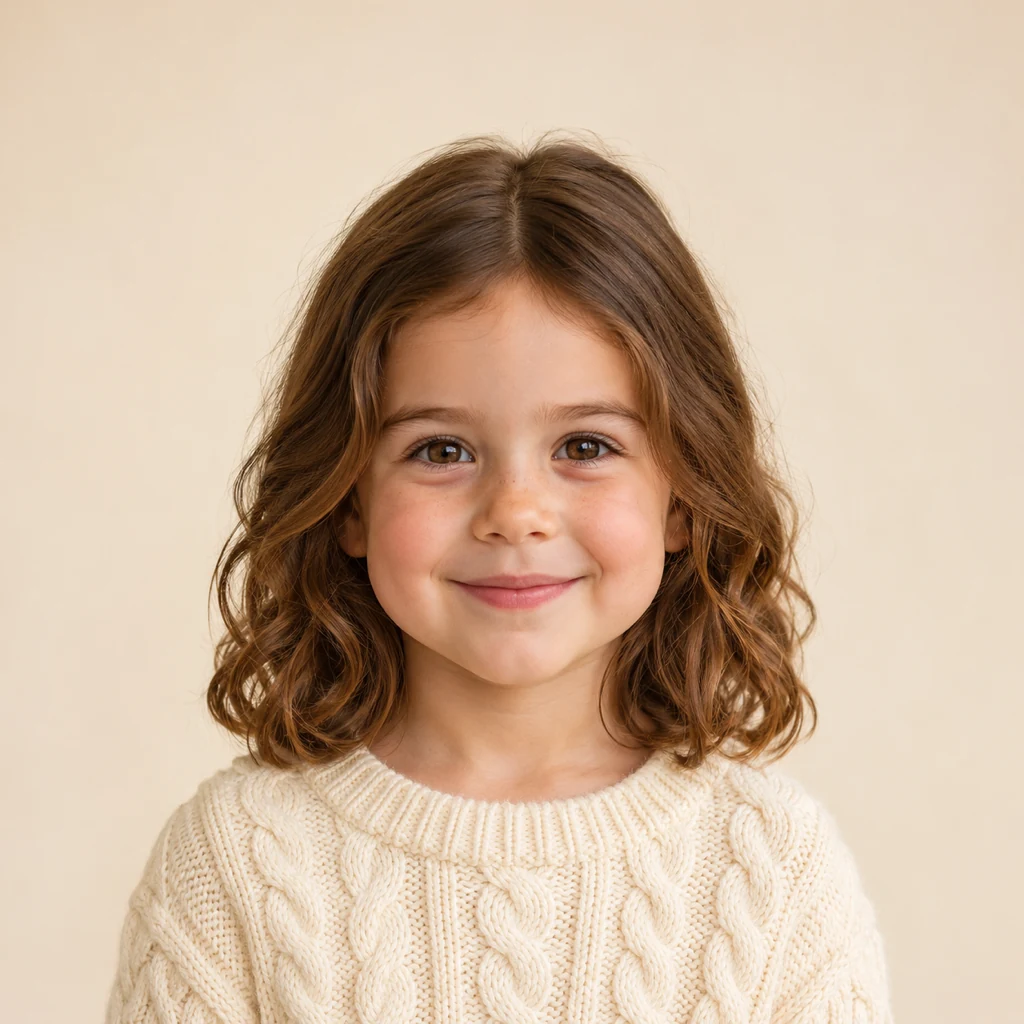
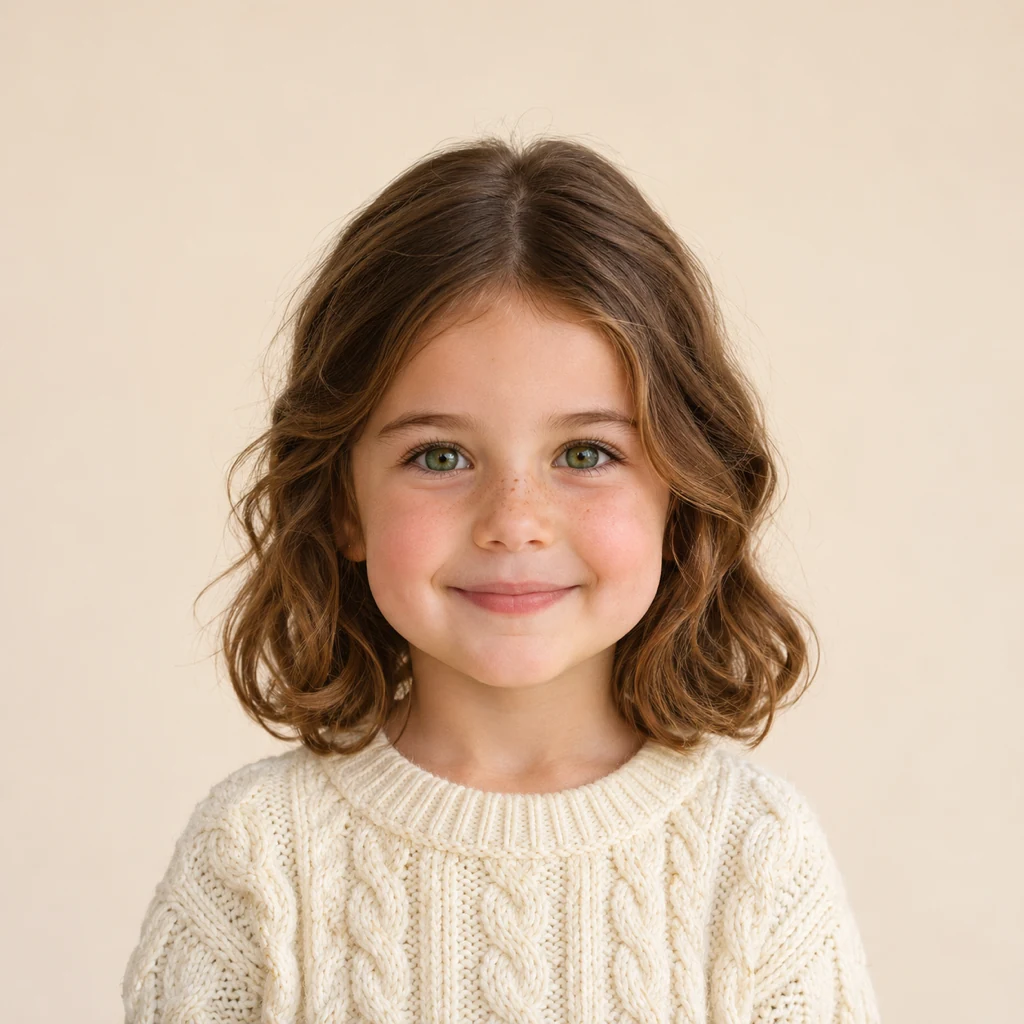
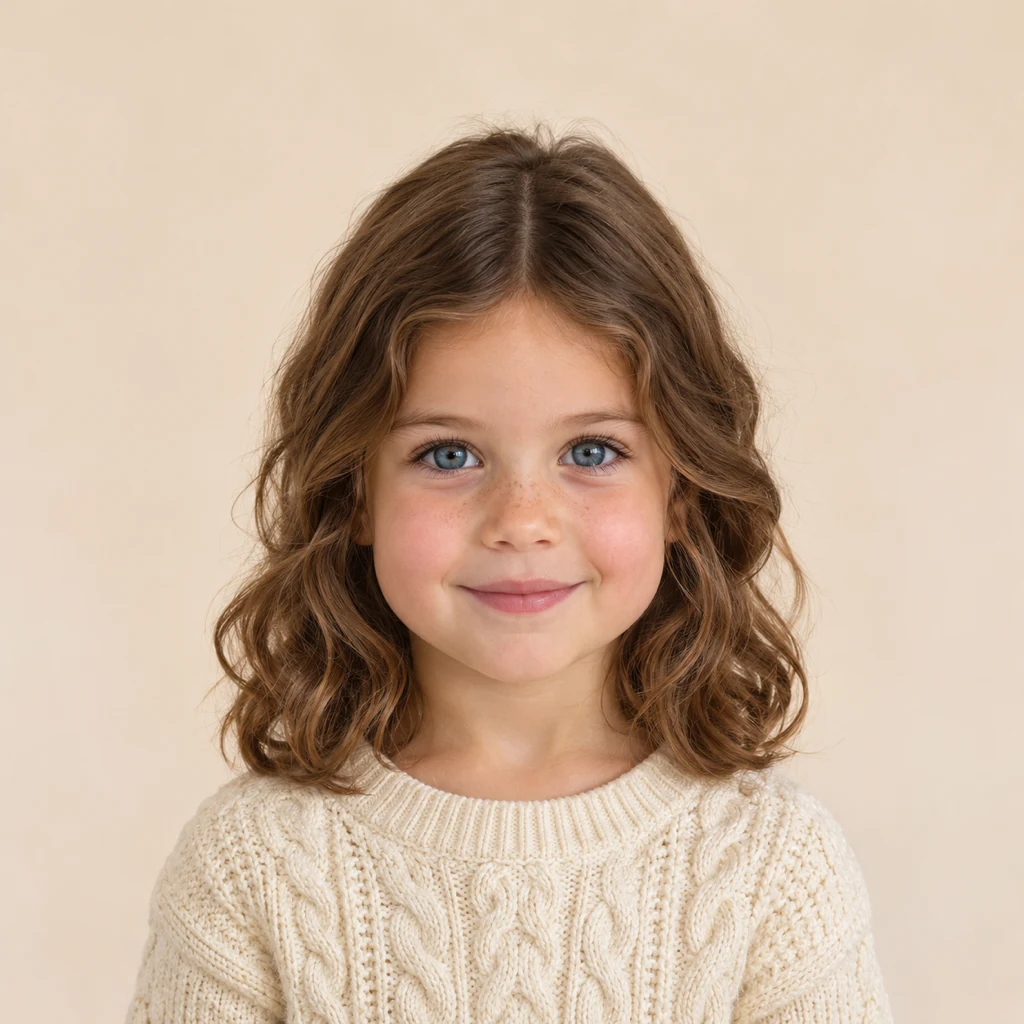
Select each parent’s visible eye color, including hazel or gray. Choose Unknown if you are unsure. No photos or account needed.

Your chosen colors appear first, without duplicates. Other colors are extra artistic options. Card order does not represent likelihood.

Select a color card, then use the button to open the generator with that choice. You can change it before making your portrait.
This baby eye color calculator from parents’ choices turns familiar colors into looks you can explore. If you choose brown and blue, those two colors appear as scenarios. Green, hazel and gray remain available as other looks to imagine. Choosing the same color twice produces one card, not a stronger prediction.
It is a free online child eye color calculator for creative exploration. It does not inspect photographs, infer hidden genes or calculate a child’s chances. An Unknown answer contributes no color; if both answers are Unknown, you can still pick an artistic look. Nothing here establishes health, ancestry or parentage.
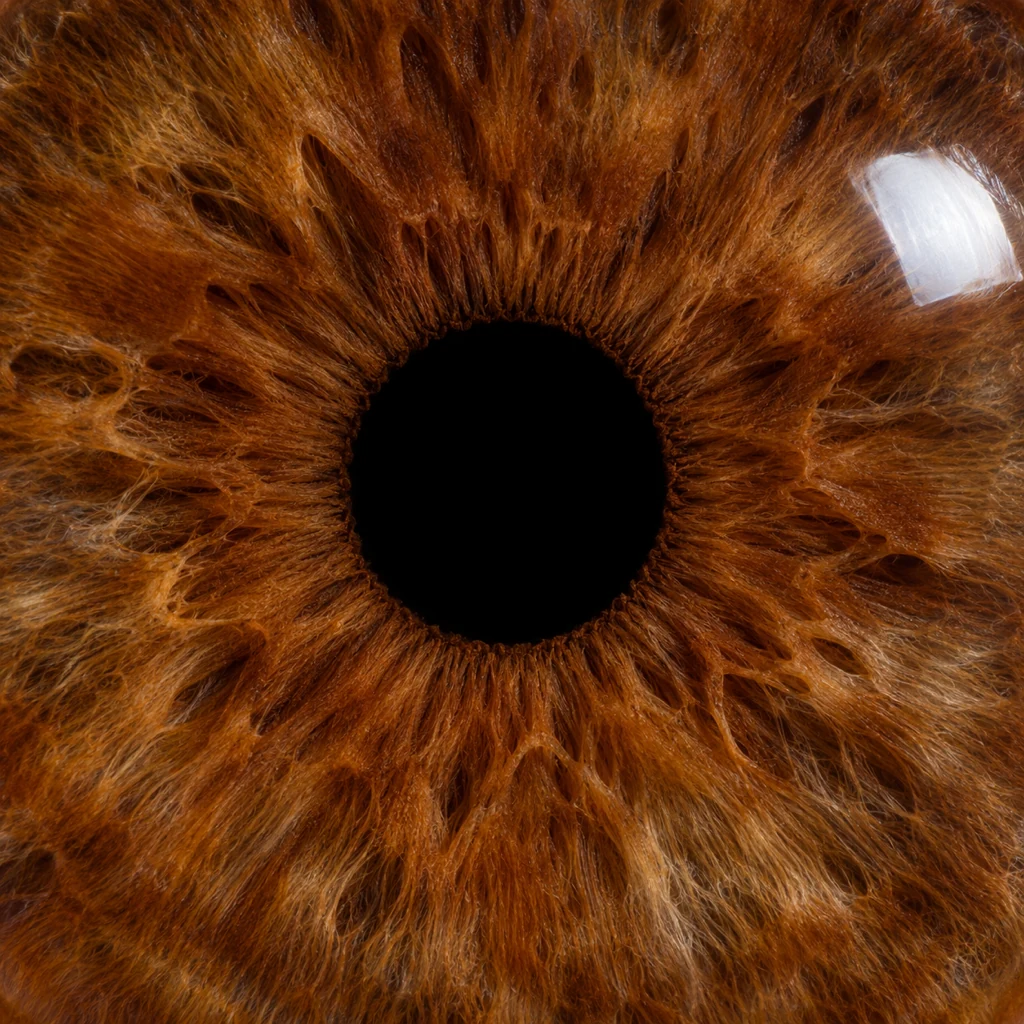
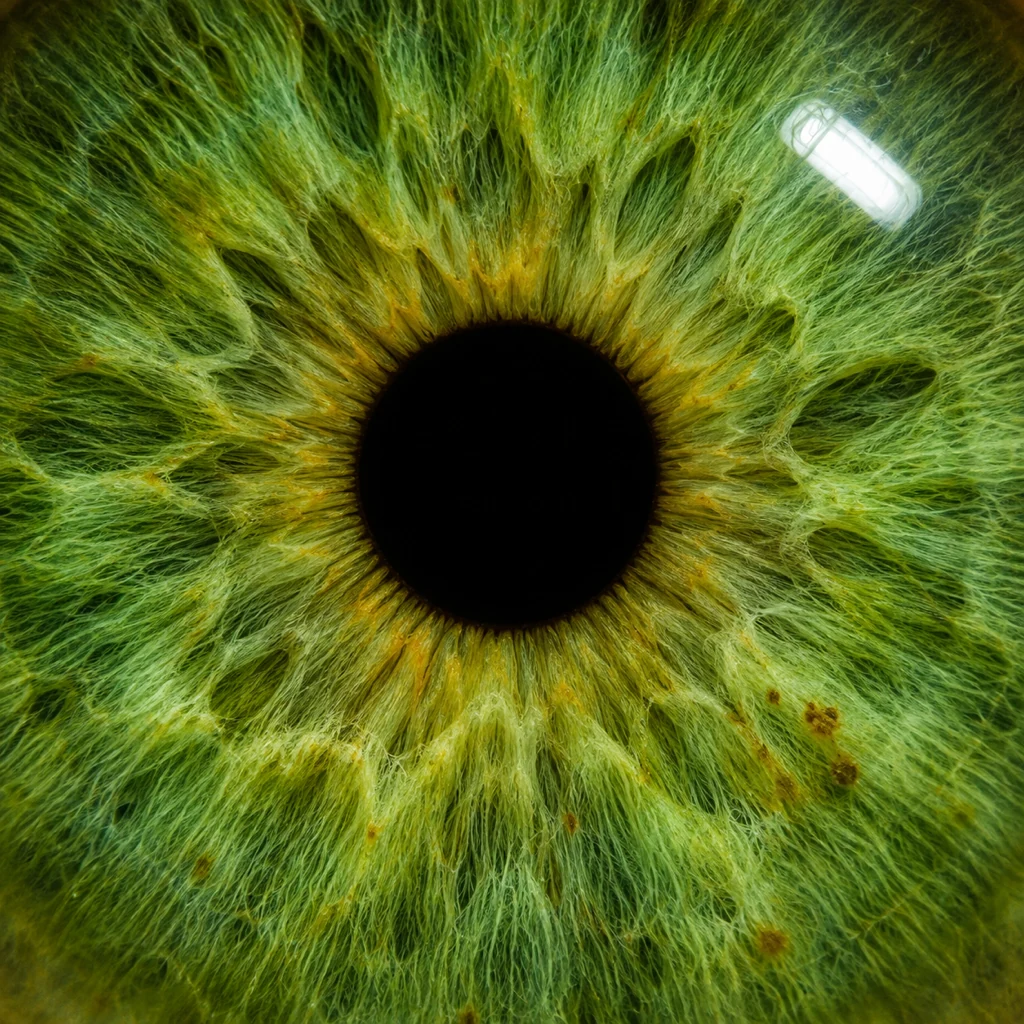
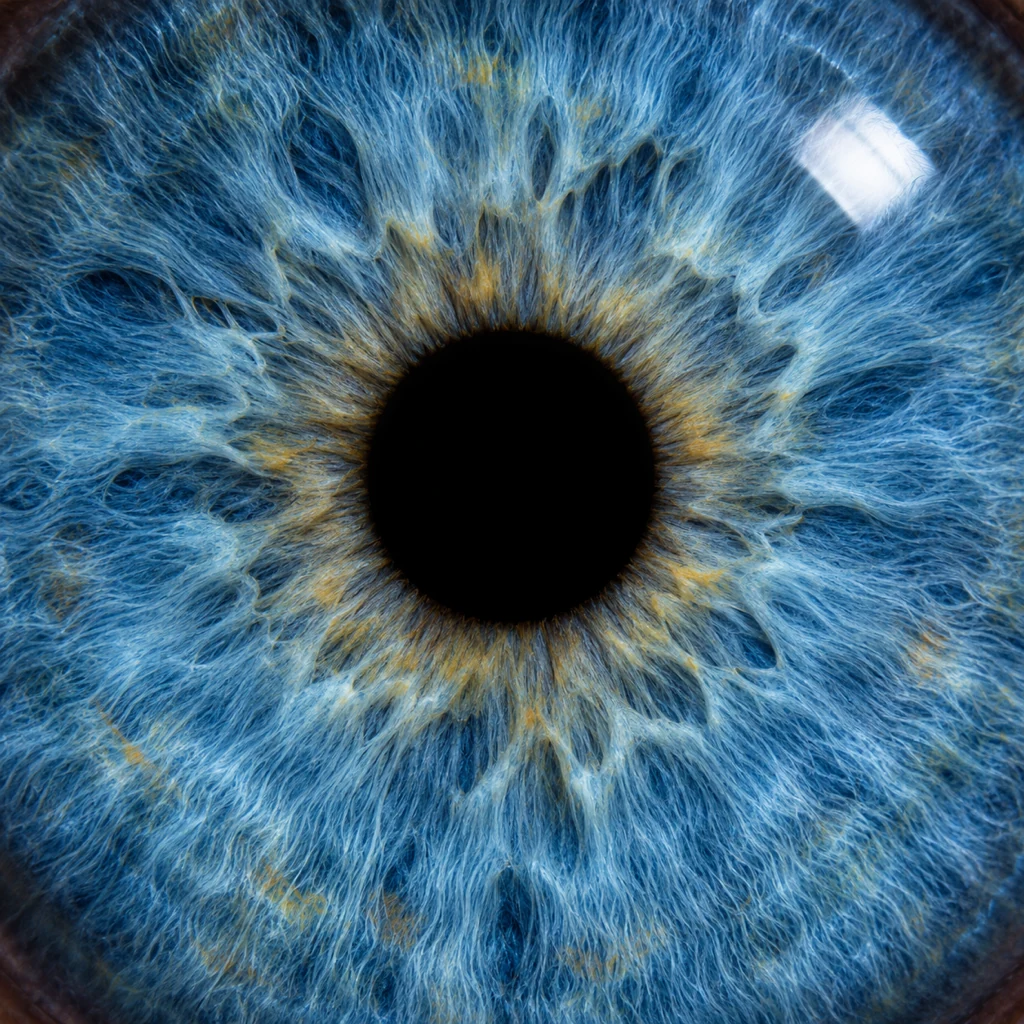
Hazel has its own option: you do not have to label it brown or green. For blue and hazel parents, choose Blue for one parent and Hazel for the other. Both become selectable scenarios. These broad labels help you describe a look; mixed colors and subtle differences cannot be reduced to a reliable inheritance percentage.
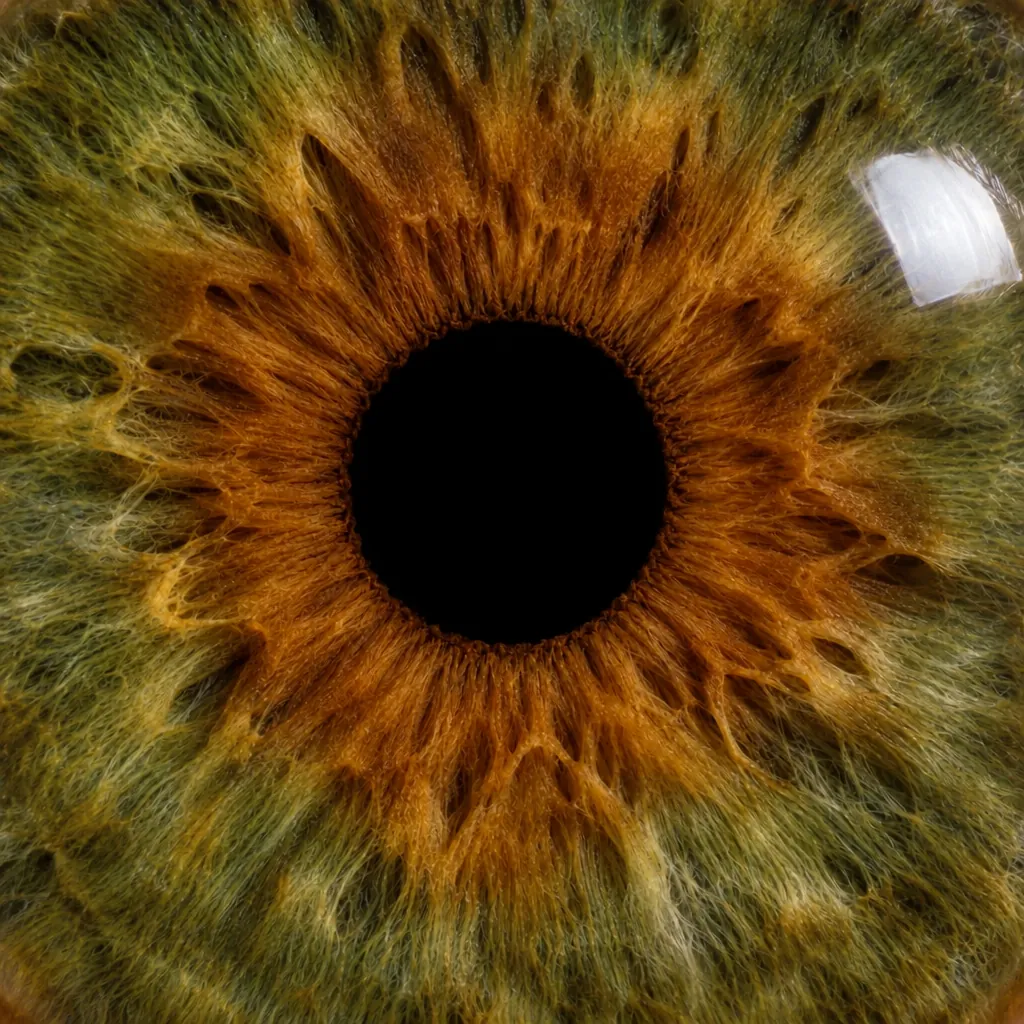
Eye color depends on several genes that influence melanin in the iris. Brown eyes usually contain more of this pigment than blue eyes. MedlinePlus explains that the old single-gene, brown-versus-blue inheritance model is too simple; family eye colors can lead to unexpected outcomes.
Our calculator does not analyze DNA or apply that simplified chart. It groups the colors you enter and offers additional artistic choices. A generated portrait adds no genetic evidence: selecting green eyes changes the requested artwork, not the probability that a child will have green eyes.
Source: MedlinePlus Genetics — Is eye color determined by genetics?
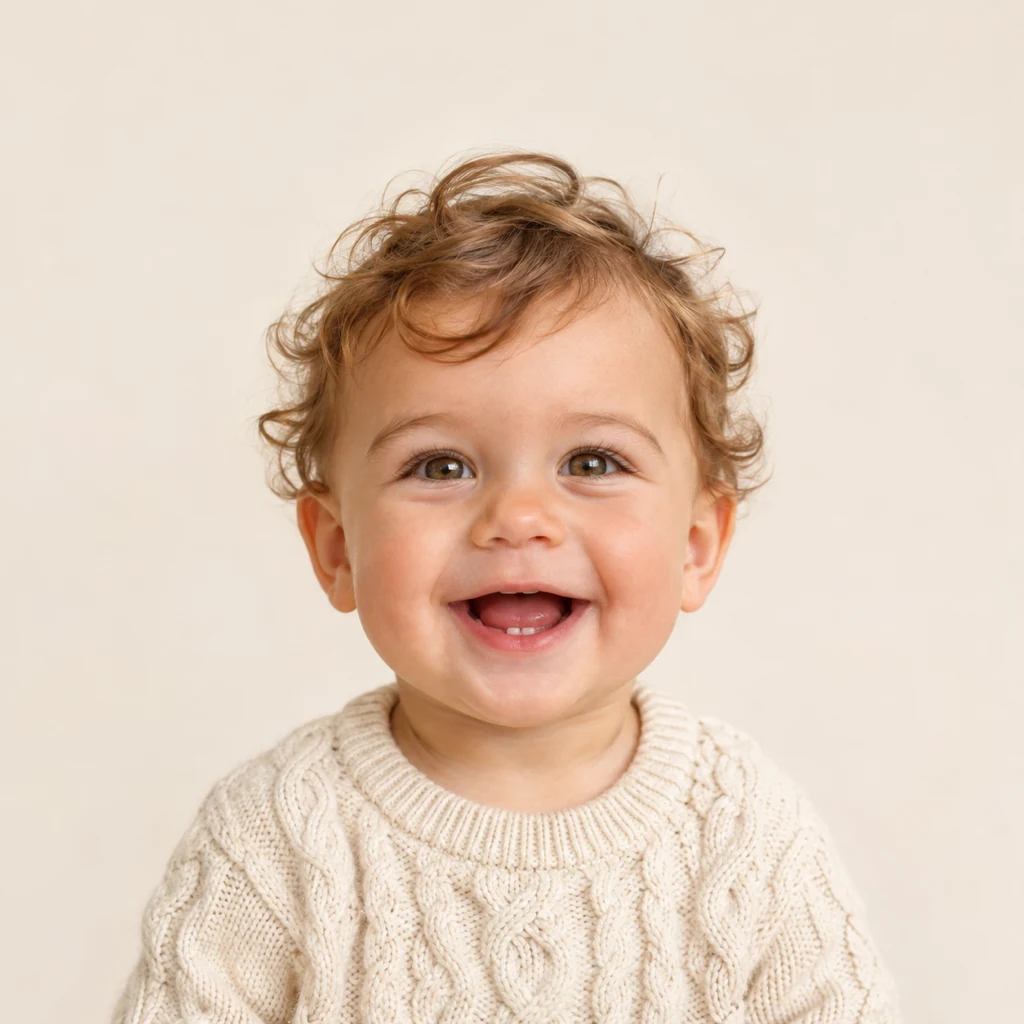


Start with one free 12-month portrait. Baby Pack includes 12 months and 5 years; Story Pack adds 12 years. Each age is an independent artistic interpretation, not a forecast of development or a guarantee of the same face.
First portrait free
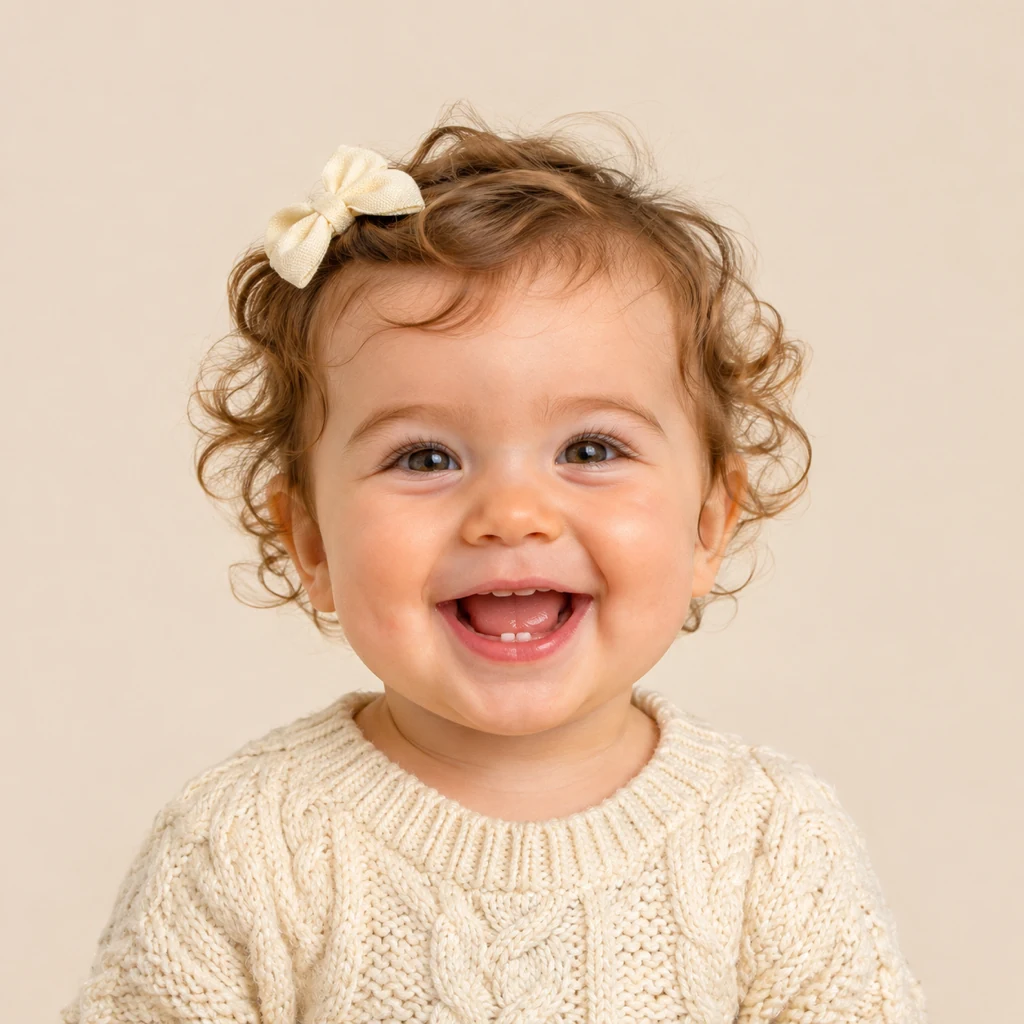
Boy and girl scenarios
Different ages
No calculator using only visible parent eye colors can tell you an individual child’s exact result. This tool helps you explore illustrative colors and choose one for a portrait. It is for fun, not a genetic test.
No. It shows color scenarios without percentages or likelihood rankings. Two visible colors do not supply the genetic information needed for a reliable personal probability. The first card is a selection, not the most likely outcome.
Choose Hazel for one parent and Green for the other. You will see those two color cards, plus other artistic options. Choose any card to carry its color into the portrait generator. Hazel stays a separate choice throughout.
No photos are needed here: choose the colors yourself. The calculator is free, with no sign-up or app to install. Photos of two consenting adults are needed only if you choose to create an imagined baby portrait.
This page explores eye color only. In the portrait generator you can also choose an artistic hair color. Those choices describe the picture you want to create; they do not calculate how hair and eye color will be inherited together.
Choose Unknown rather than guessing. With one known color, that color appears first. With neither known, the tool explains that there is not enough information and still lets you choose an artistic look.
No. The generator uses the selected color as a creative instruction, but the shade and other details can vary. A portrait is an AI-generated illustration, not a photograph of your future child.